Looking after a lake house in Sussex and Morris County
A house on or near a lake takes a different kind of wear than the same house two miles inland, and the maintenance rhythm is seasonal in a way most homeowners only learn the hard way. Around Lake Hopatcong and Lake Mohawk, this is what's actually going on.
The mechanisms
These are the forces at work. None of them need a citation — they're just how water, wood and a northern New Jersey climate interact.
Water and humidity
Proximity to a large body of water means higher ambient moisture, heavier dew, and slower drying after rain. That shortens the life of exterior finishes, accelerates biological growth on shaded elevations, and makes north-facing surfaces the first to go.
The horizontal surfaces take the beating
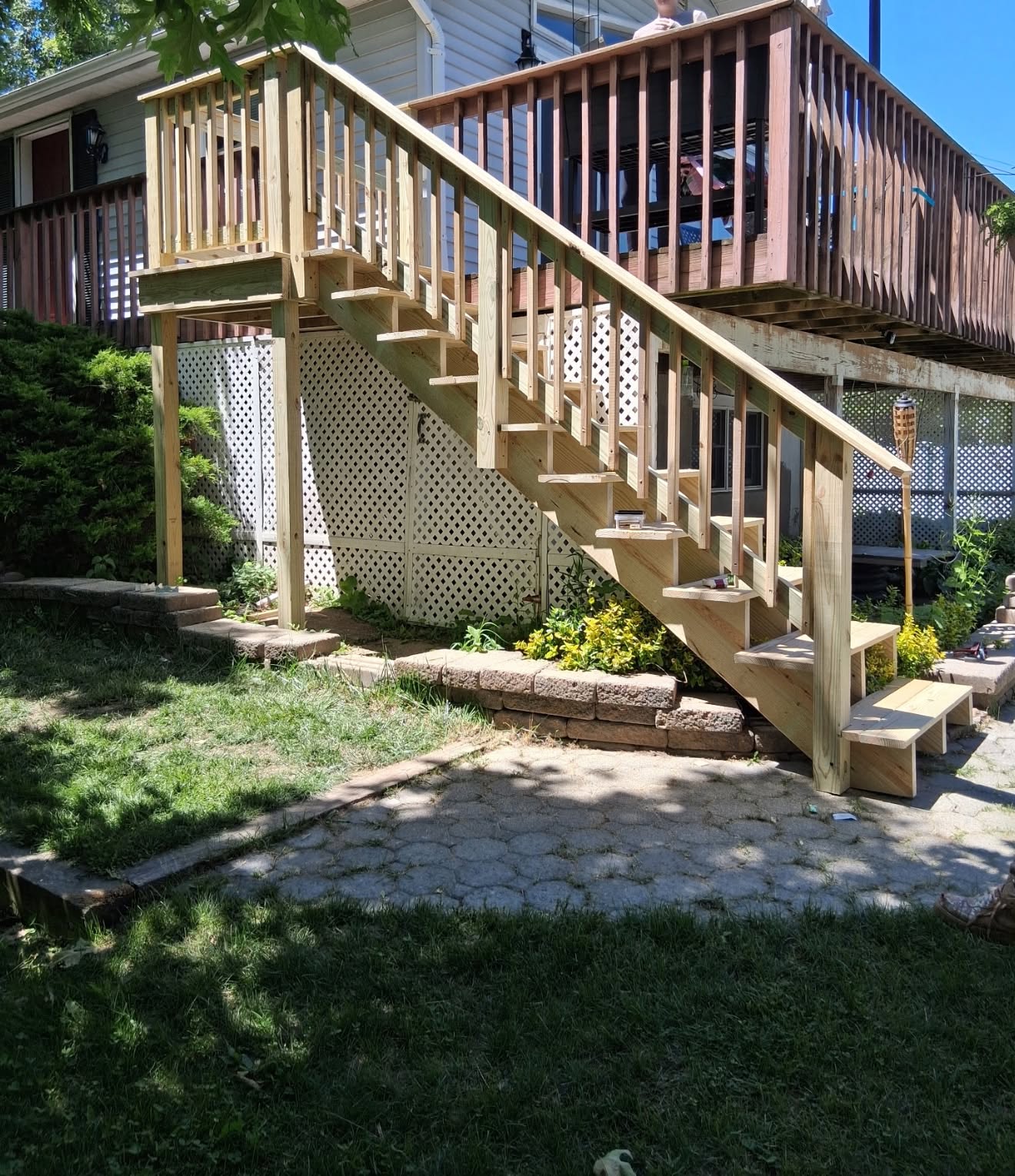
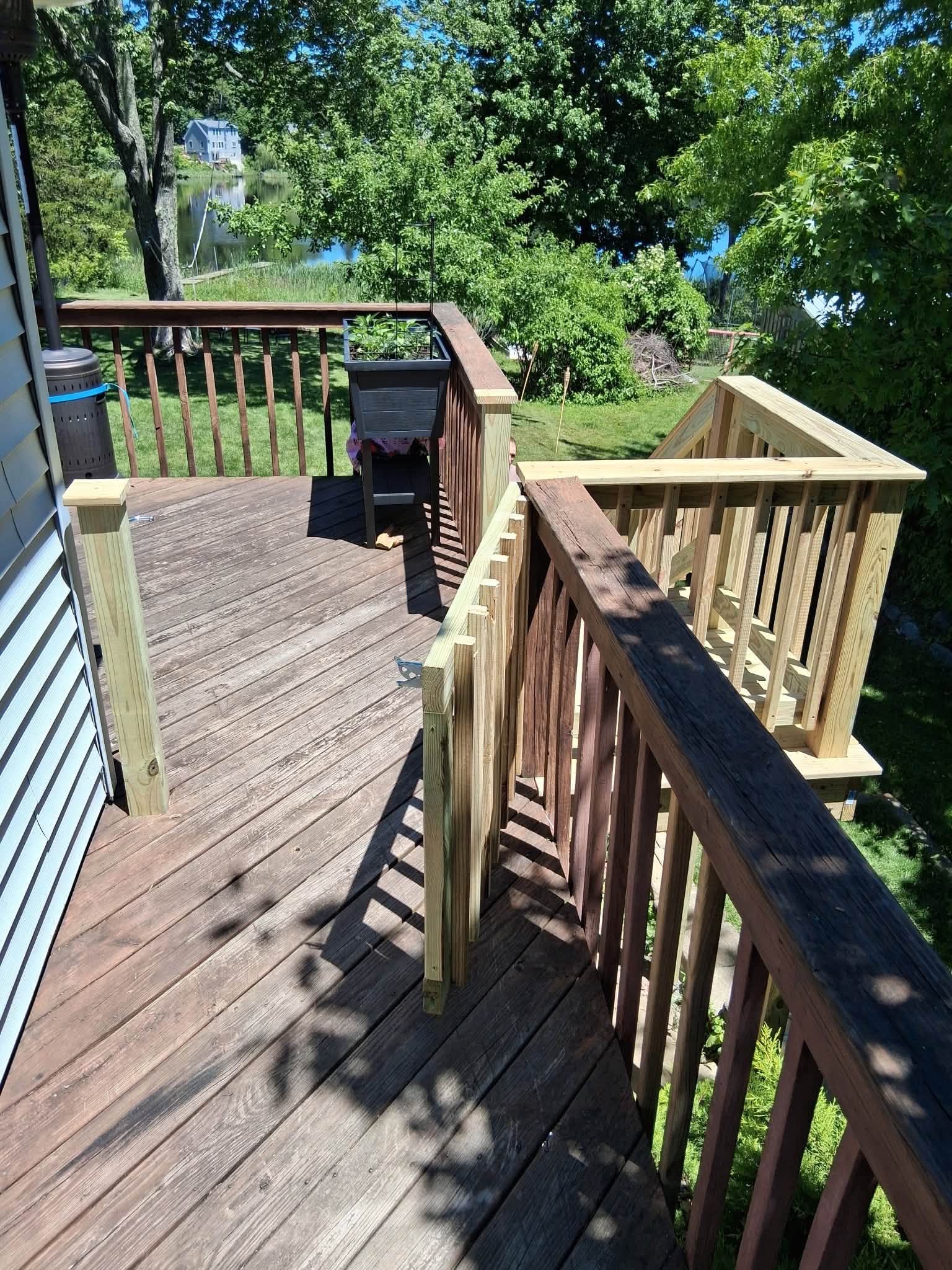
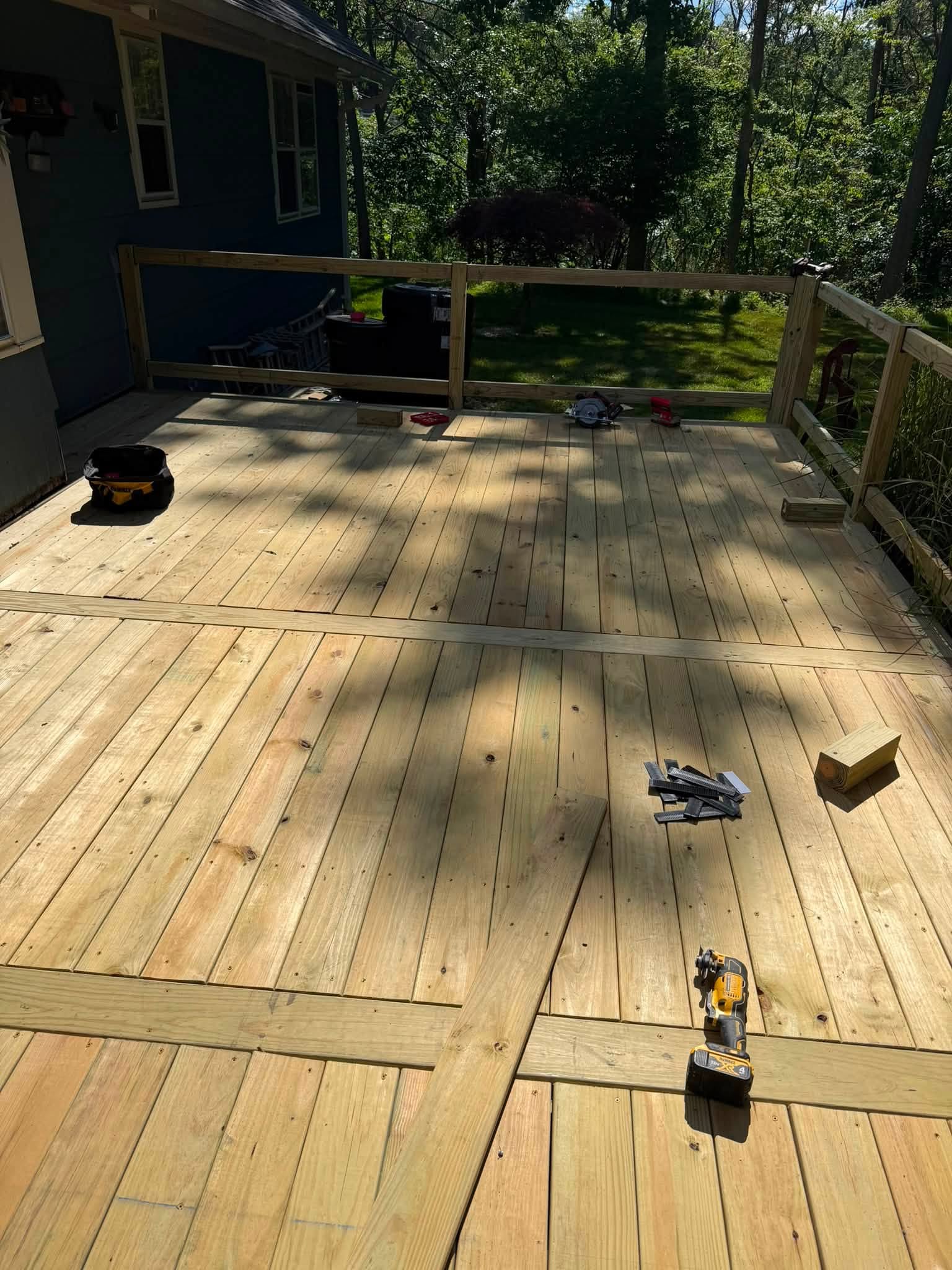
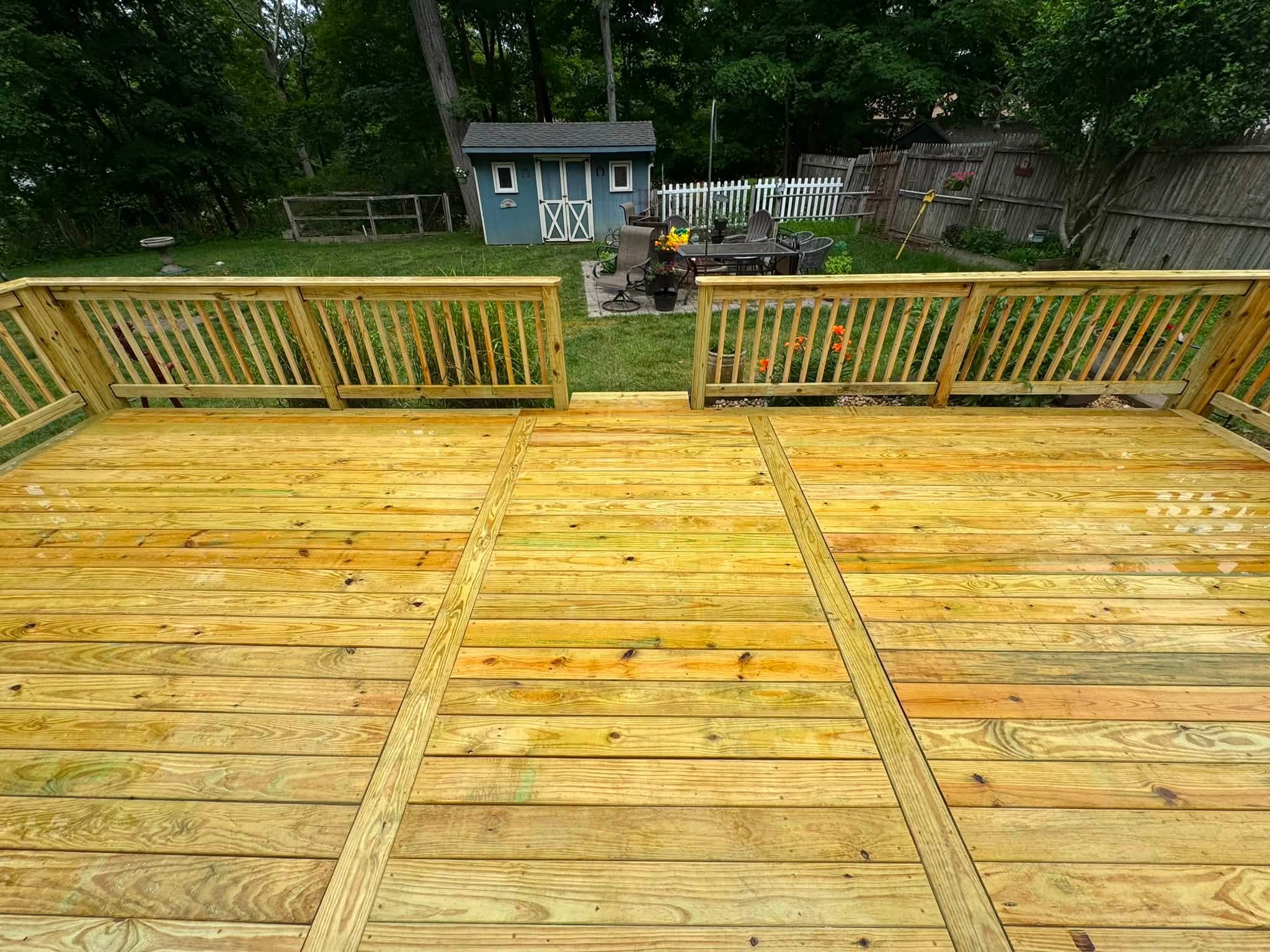
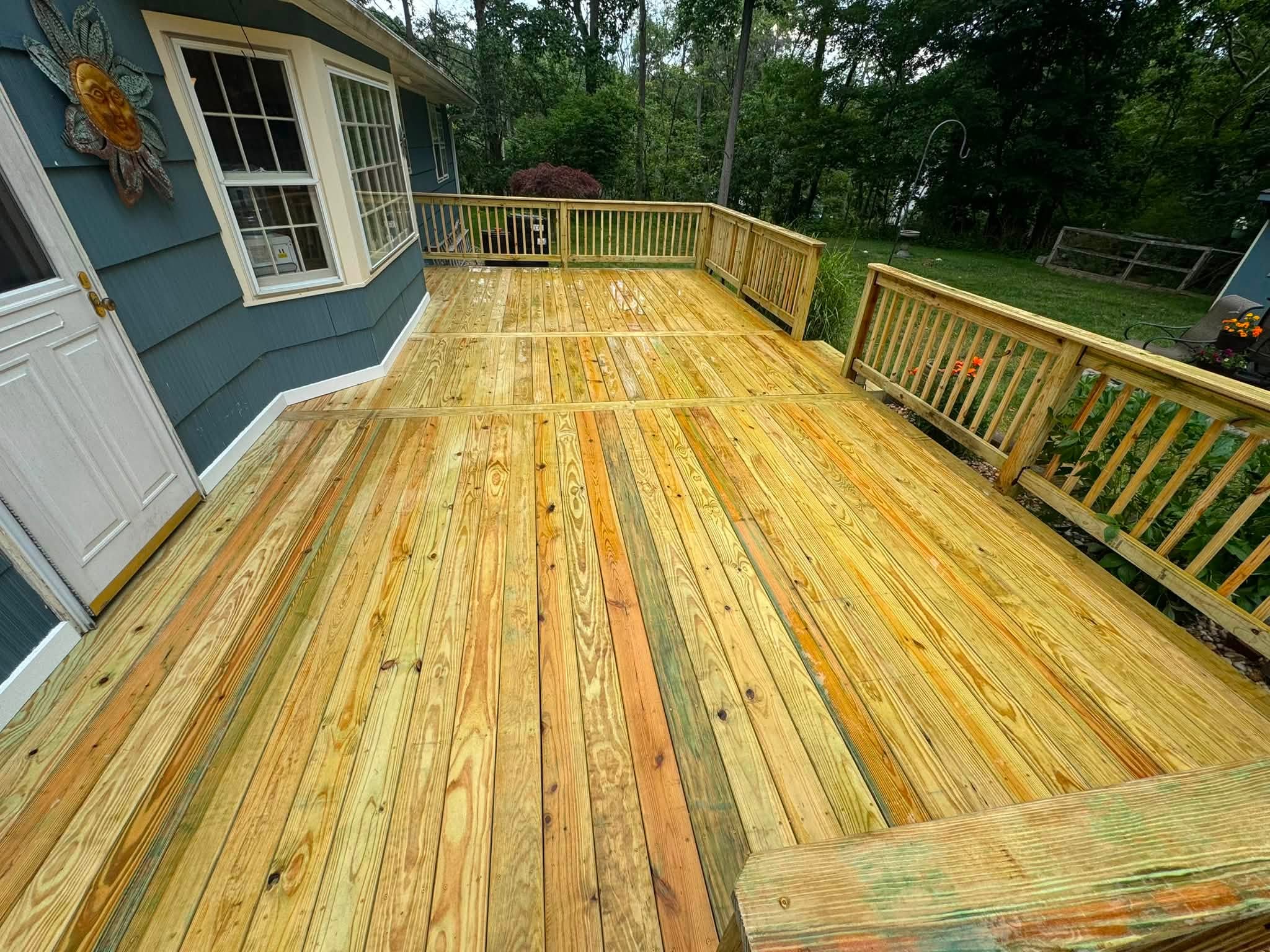
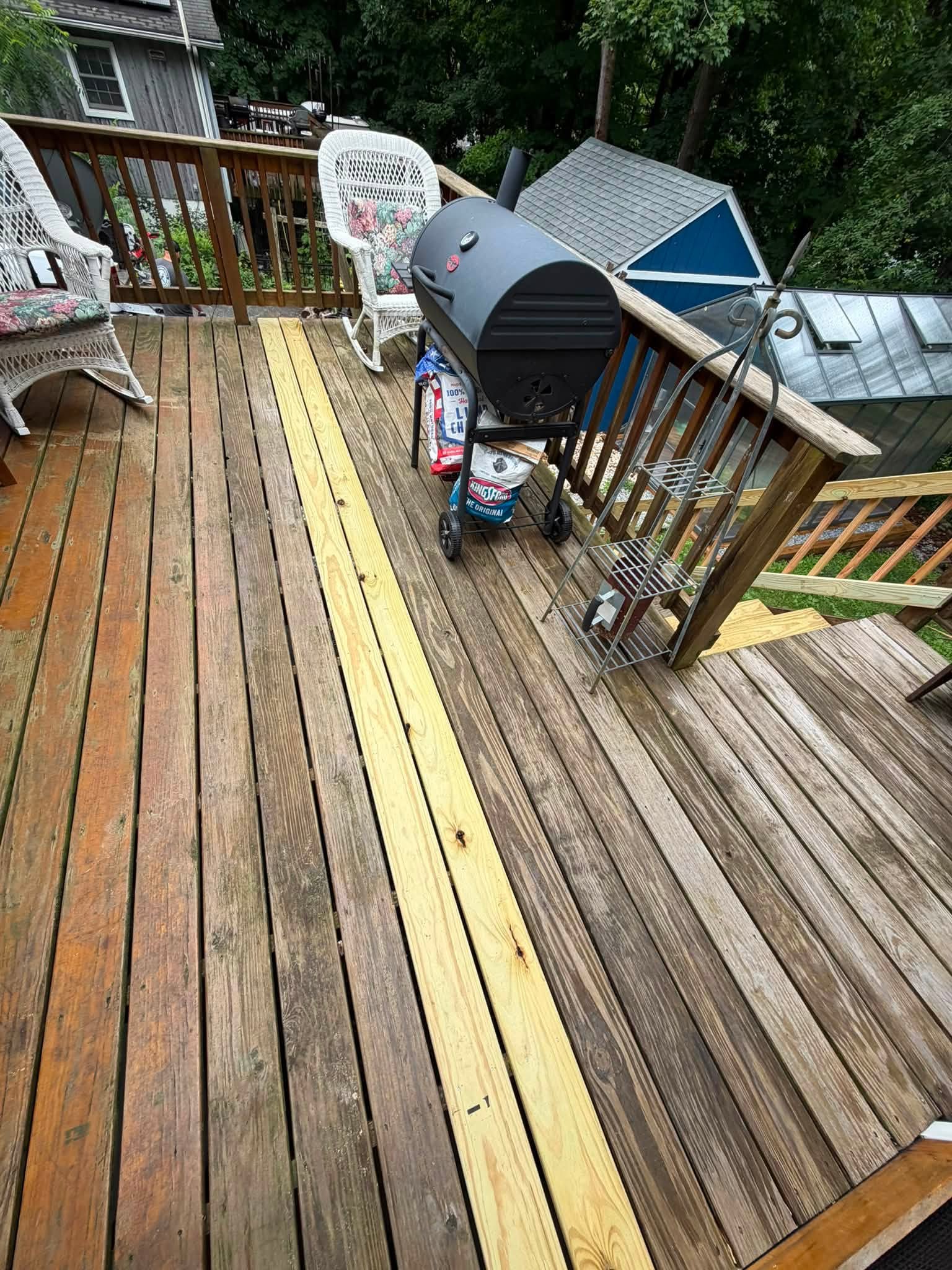
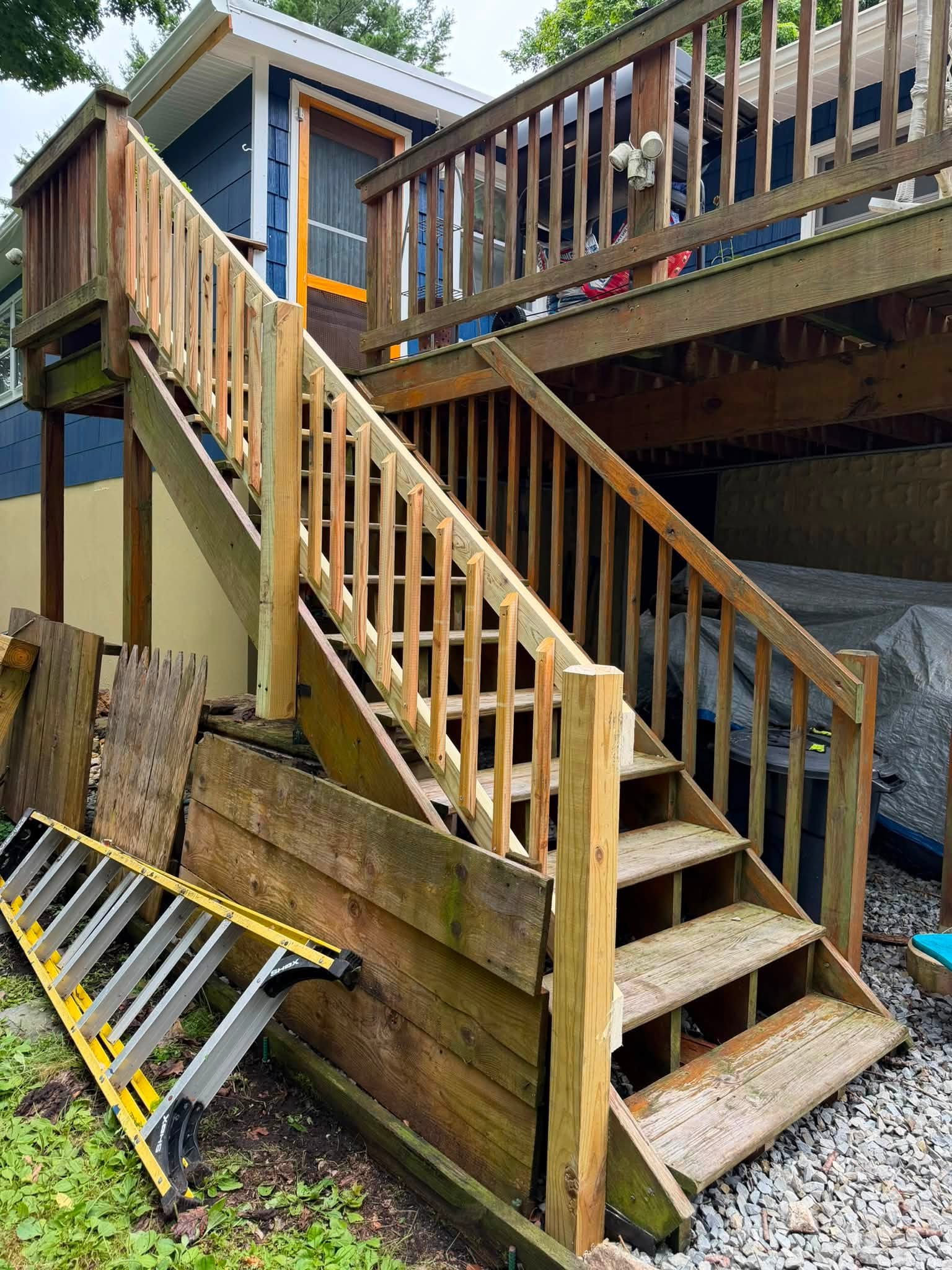
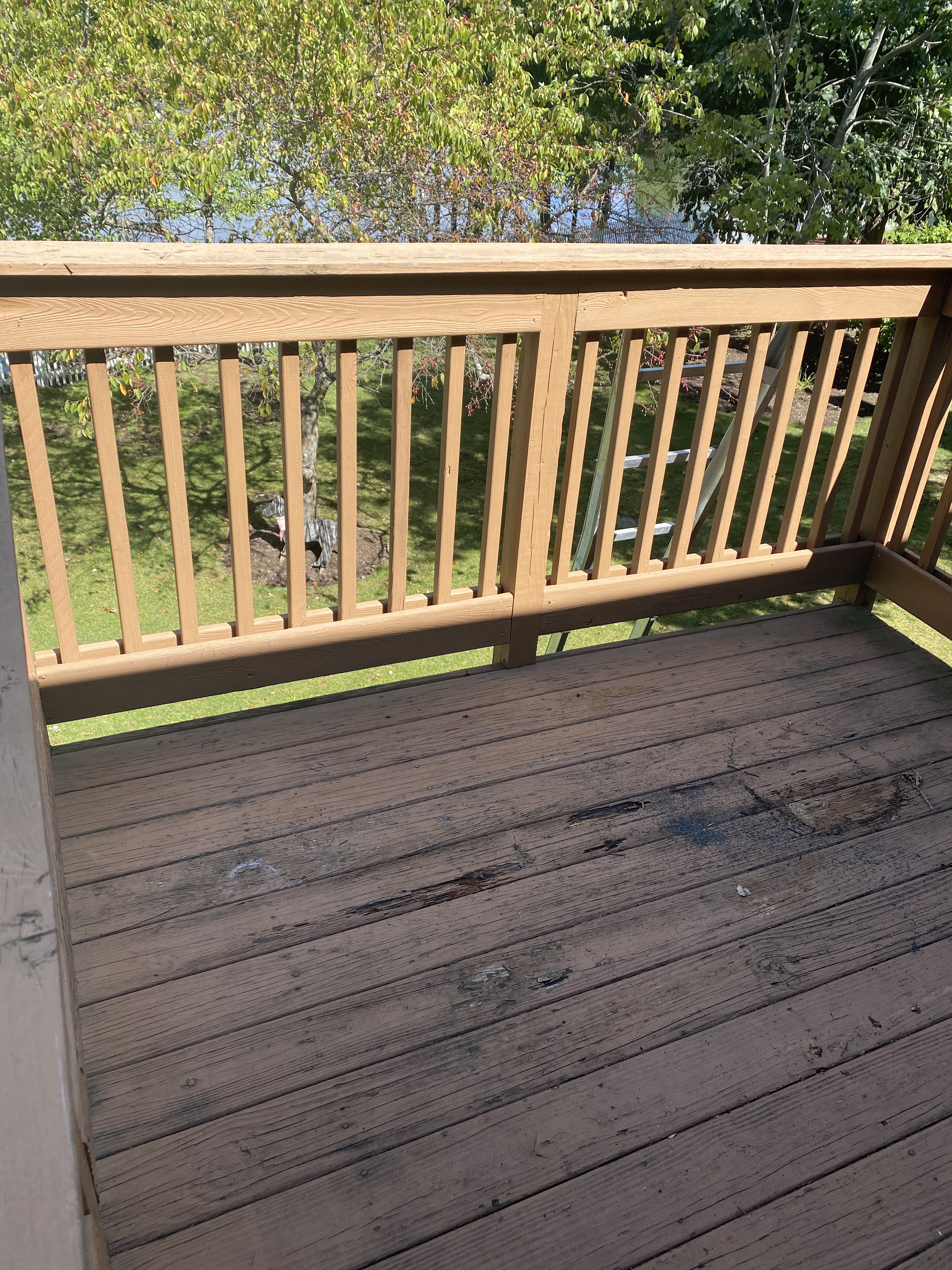
Decks, stairs, docks and railings sit flat, hold water, and take direct sun. They are the first thing to fail and the thing most worth staying ahead of. A wall can shed water; a deck has to hold it.
Freeze-thaw
Water that gets into a joint, a fastener hole or a check in a board and then freezes does the actual damage. This is why small gaps matter and why sealing and finishing is maintenance rather than cosmetics.
Seasonal occupancy
A house that sits empty for months is a house where a small problem has months to become a large one, unwatched. The spring open-up is the moment to look — before you furnish the place for the season.
Tree cover
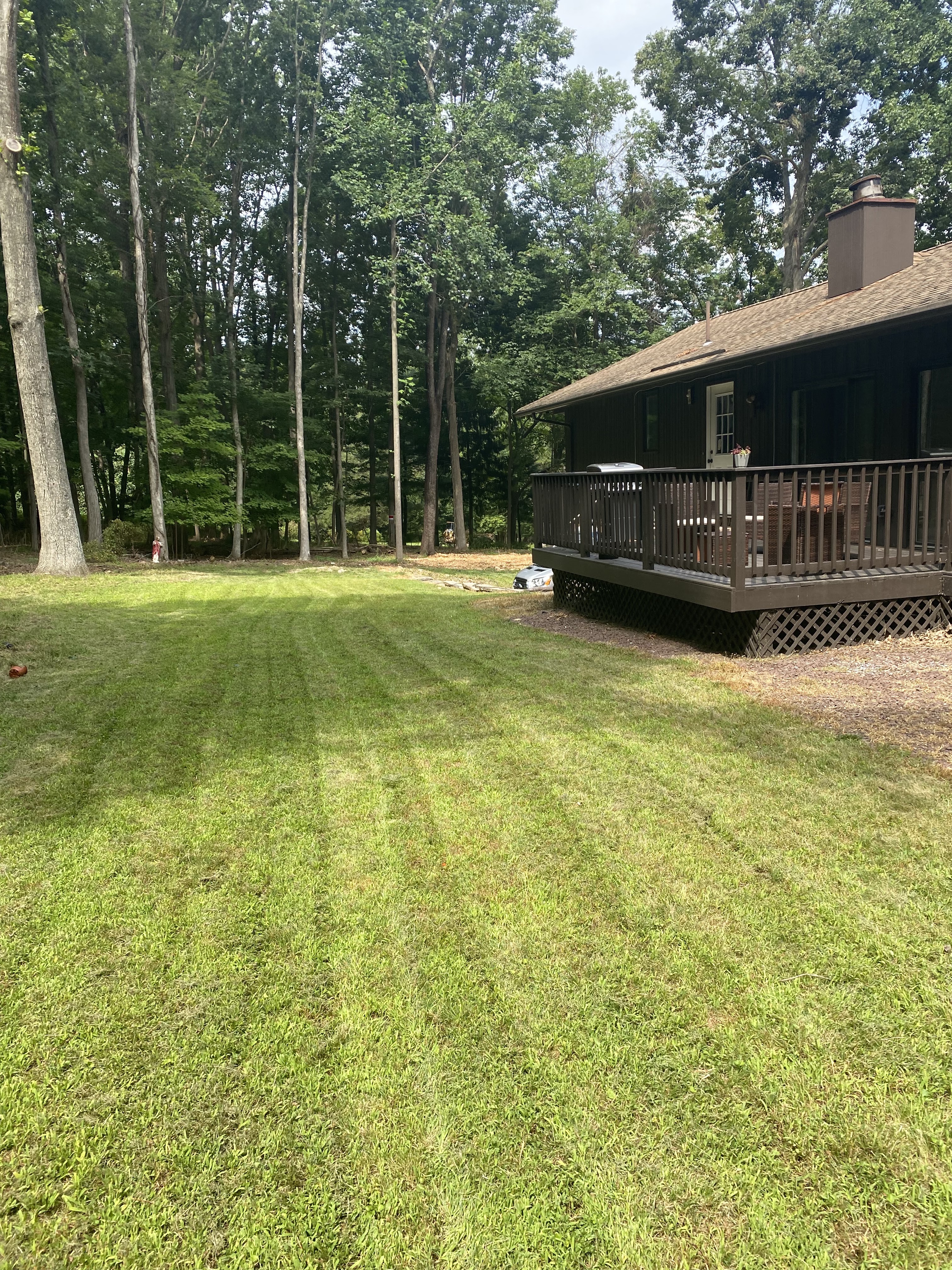
Heavier leaf load means gutters fill faster and shaded surfaces stay wet longer. A lake house in the woods fails at the gutters and the north elevation first, every time.
A practical seasonal rhythm
What a homeowner can check themselves, and what's worth having someone look at. Think of it as three moments in the year, not a constant effort.
Spring open-up
- Walk the decks, dock and stairs for soft spots, lifted boards and loose fasteners before anyone stands on them.
- Check gutters and downspouts — they've been holding leaves through snow and ice all winter.
- Look at north-facing siding and trim for green growth and failing finish.
- Test spigots and hoses for damage that froze over winter.
Summer
- Keep horizontal surfaces clean — pollen and leaf wetness feed the same growth that darkens siding.
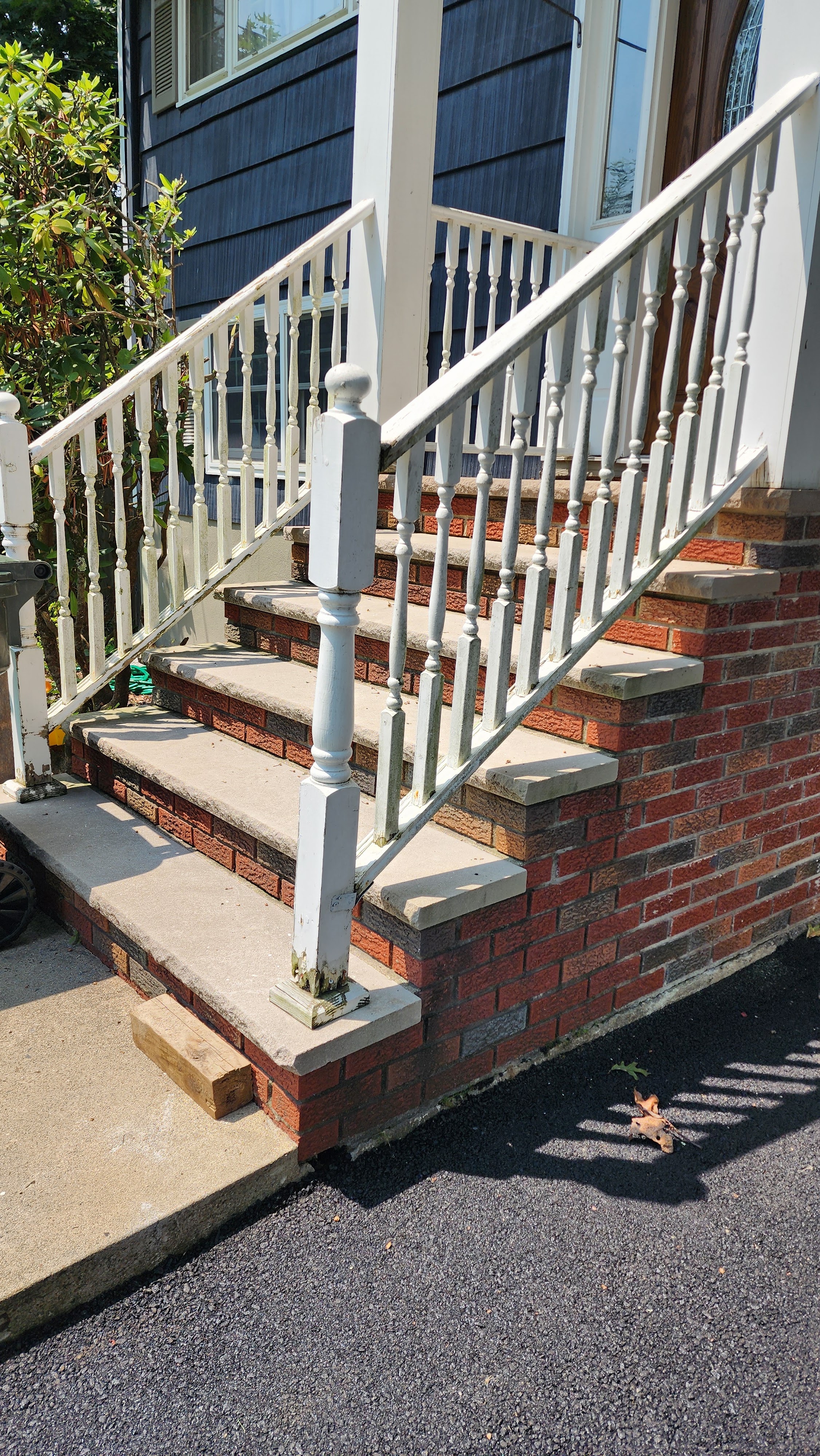
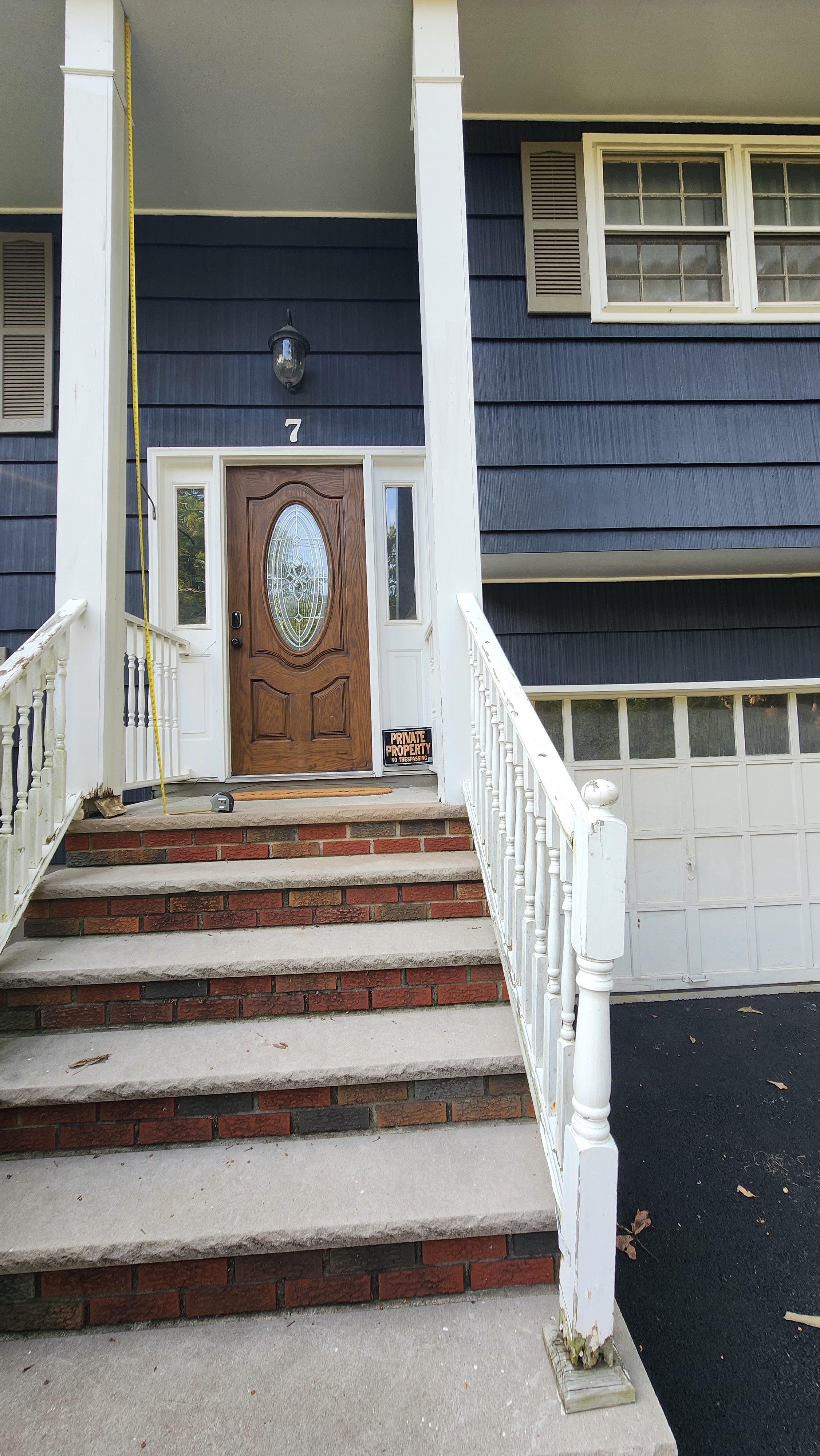
- Watch railings and posts at the base, where wood meets wet footing.
- Clear gutters again after the heavy leaf drop of early summer storms.
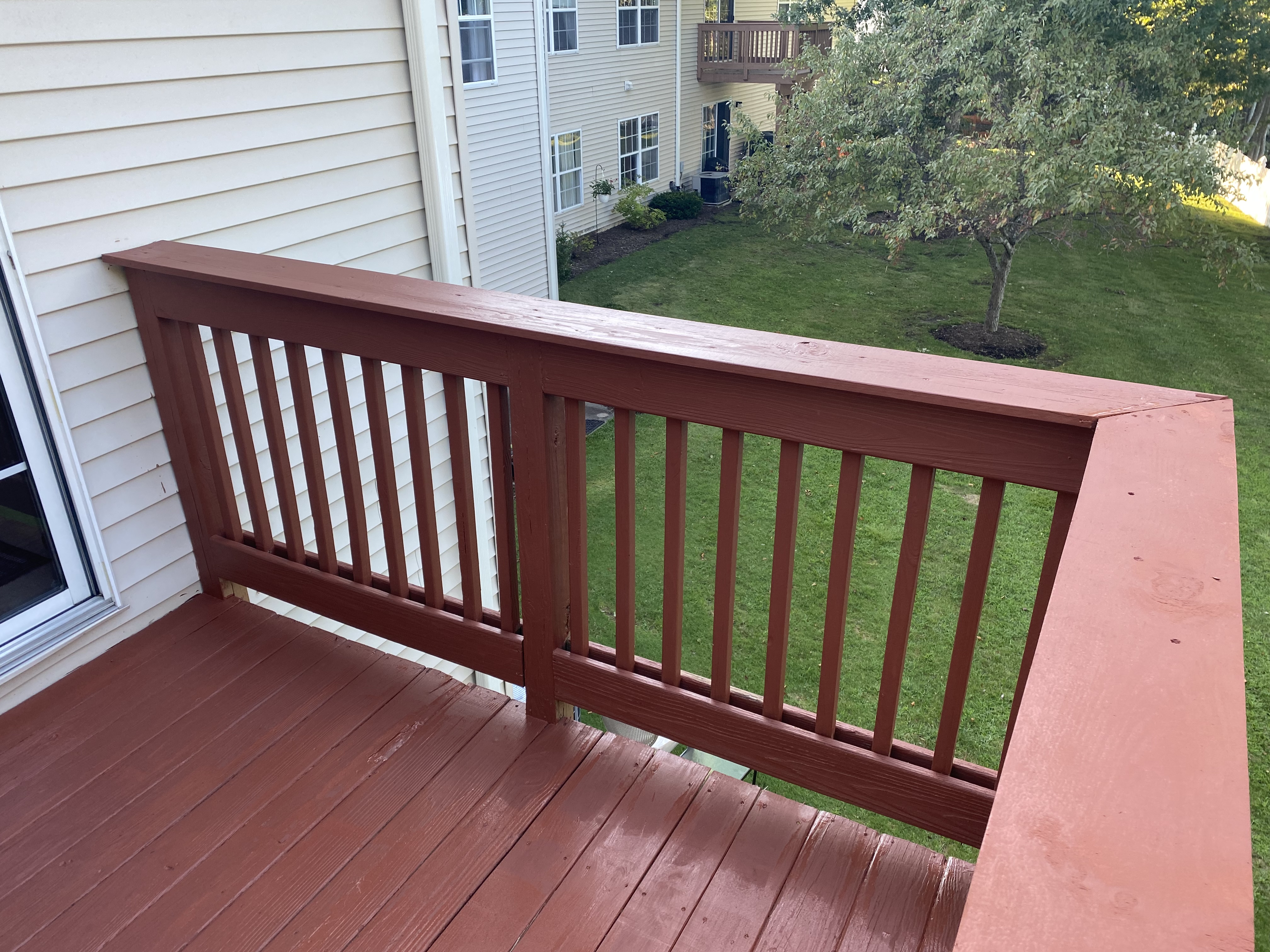
- Get exterior staining and sealing done while surfaces are dry and warm.
Autumn close-down
- Clean gutters thoroughly before the first hard freeze — a gutter full of wet leaves going into a freeze is how ice damming starts.
- Final check of deck and dock boards; anything soft gets noted now, not in spring.
- Seal or re-seal what took wear over the season.
- Shut down and drain what needs draining before the cold arrives.
The honest version: most of this a homeowner can do with a walk-around and a notebook. The part that usually needs hands is the horizontal surfaces — staining, sealing, board replacement and the structural check underneath. That's worth getting ahead of rather than catching up to.
Bring the lake house list
Call and we'll talk what to stay ahead of.